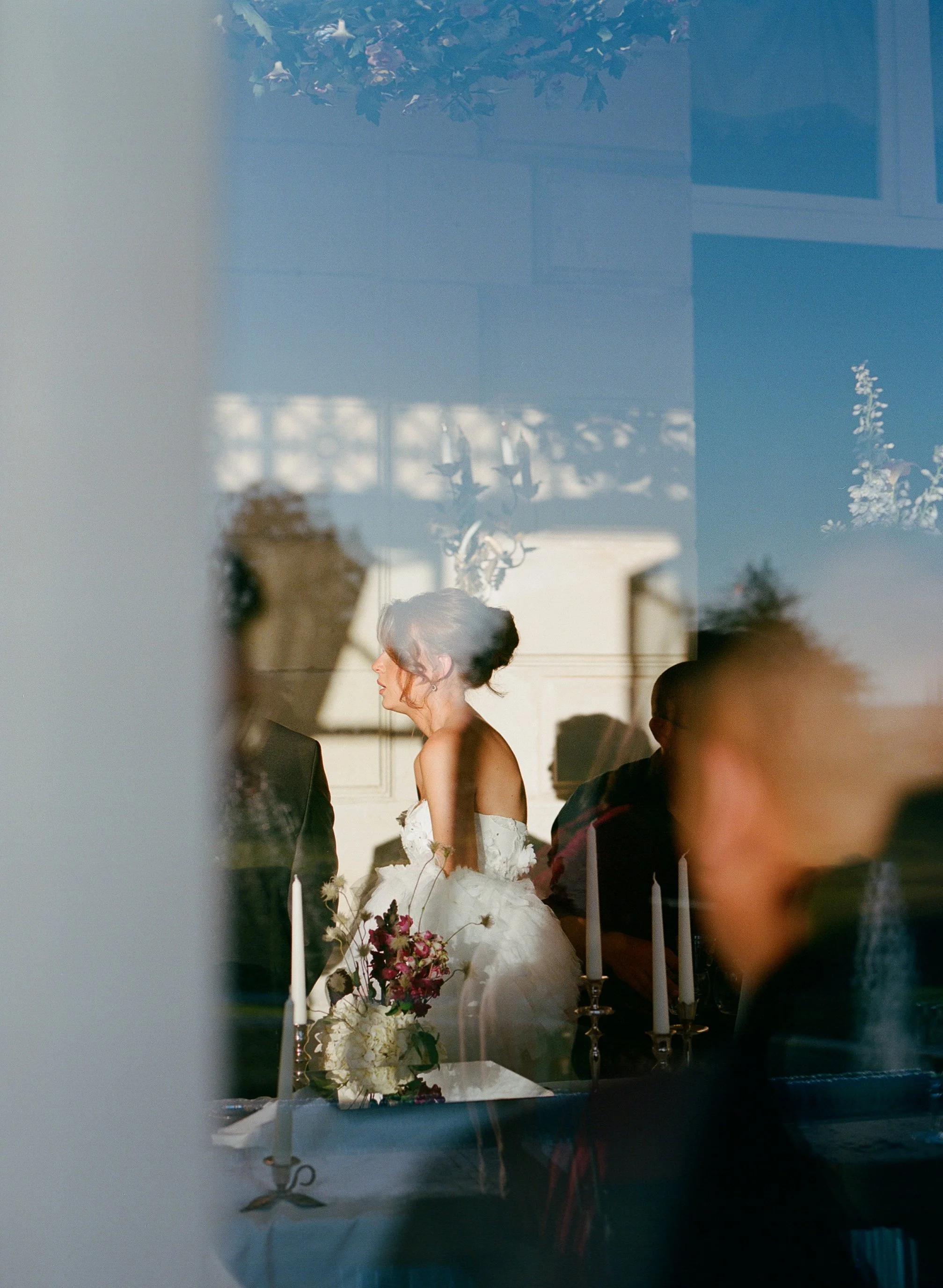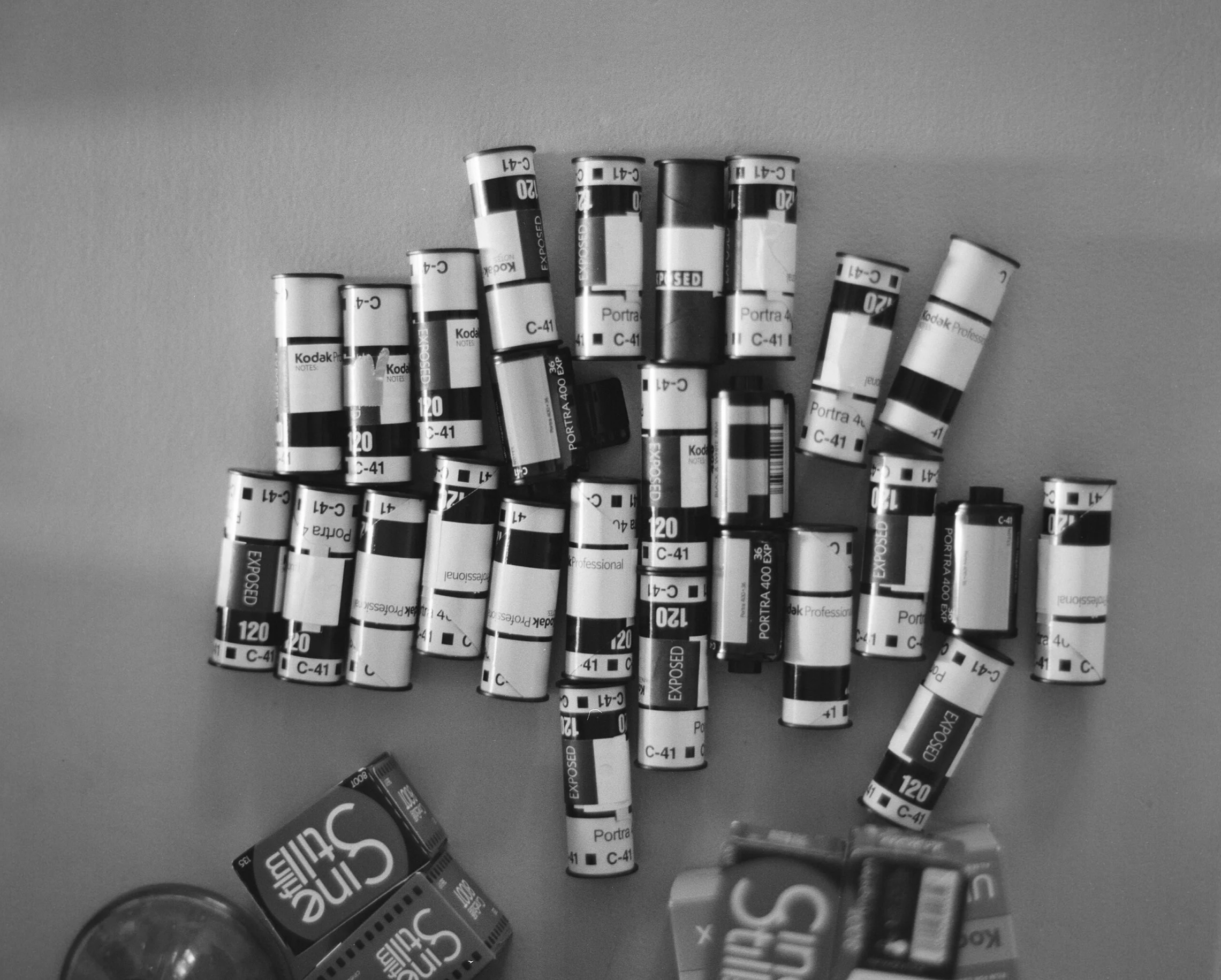
Most of what we shoot is analog: cameras loaded with rolls of photographic film, the way photographs were made for most of the last century. We use digital as well and have nothing against it, but analog comes first. Here’s why.
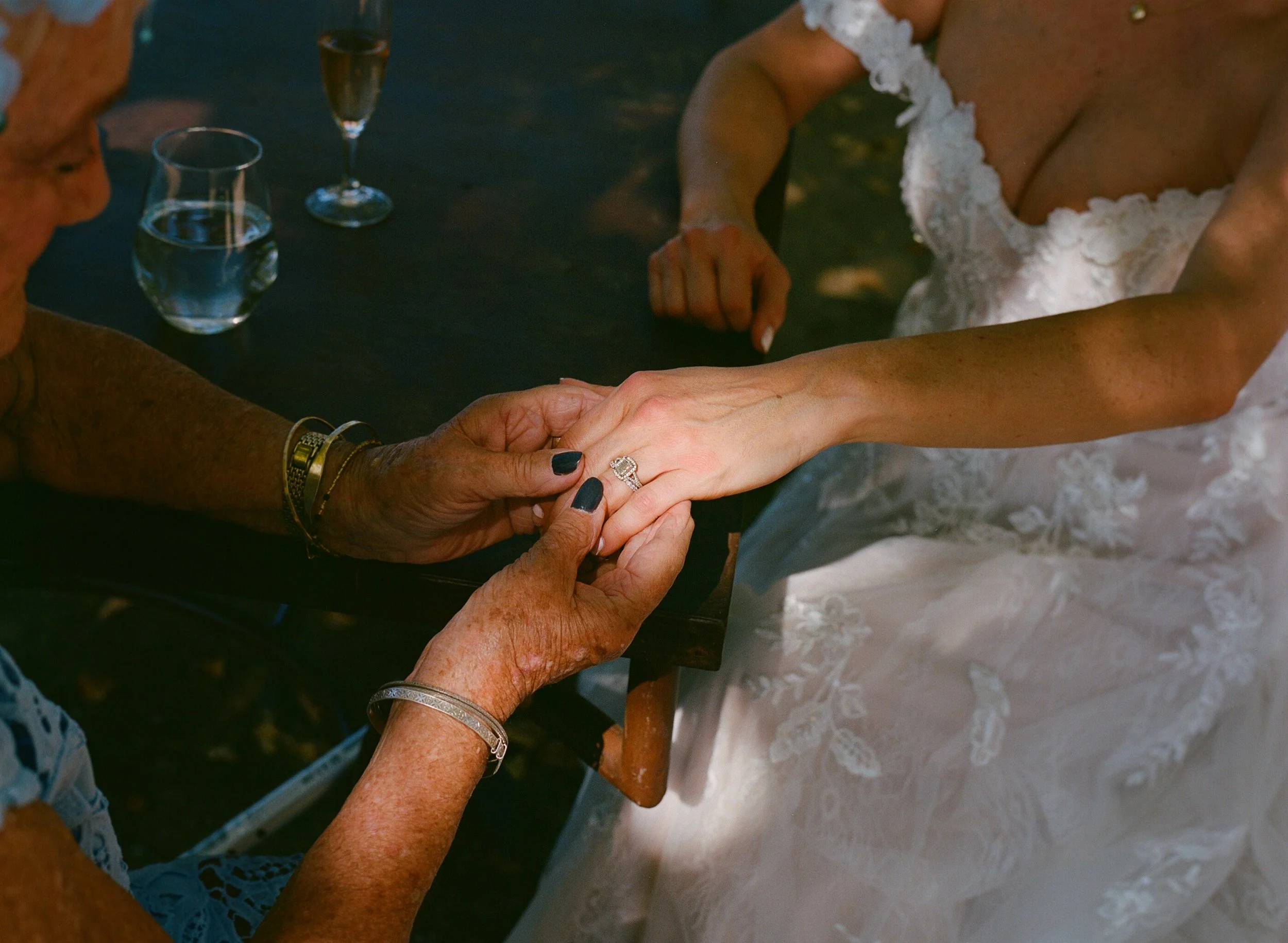
The look.
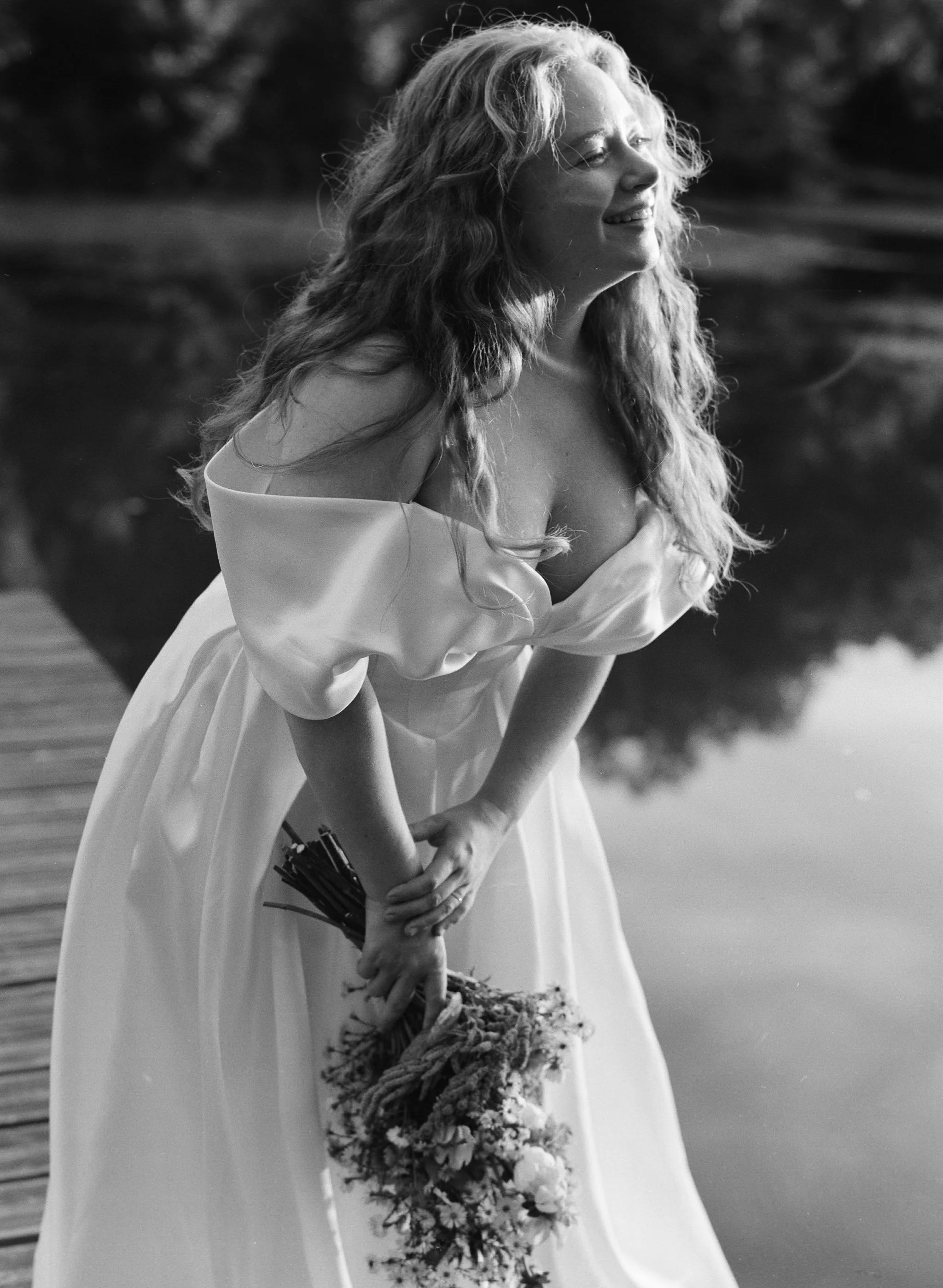
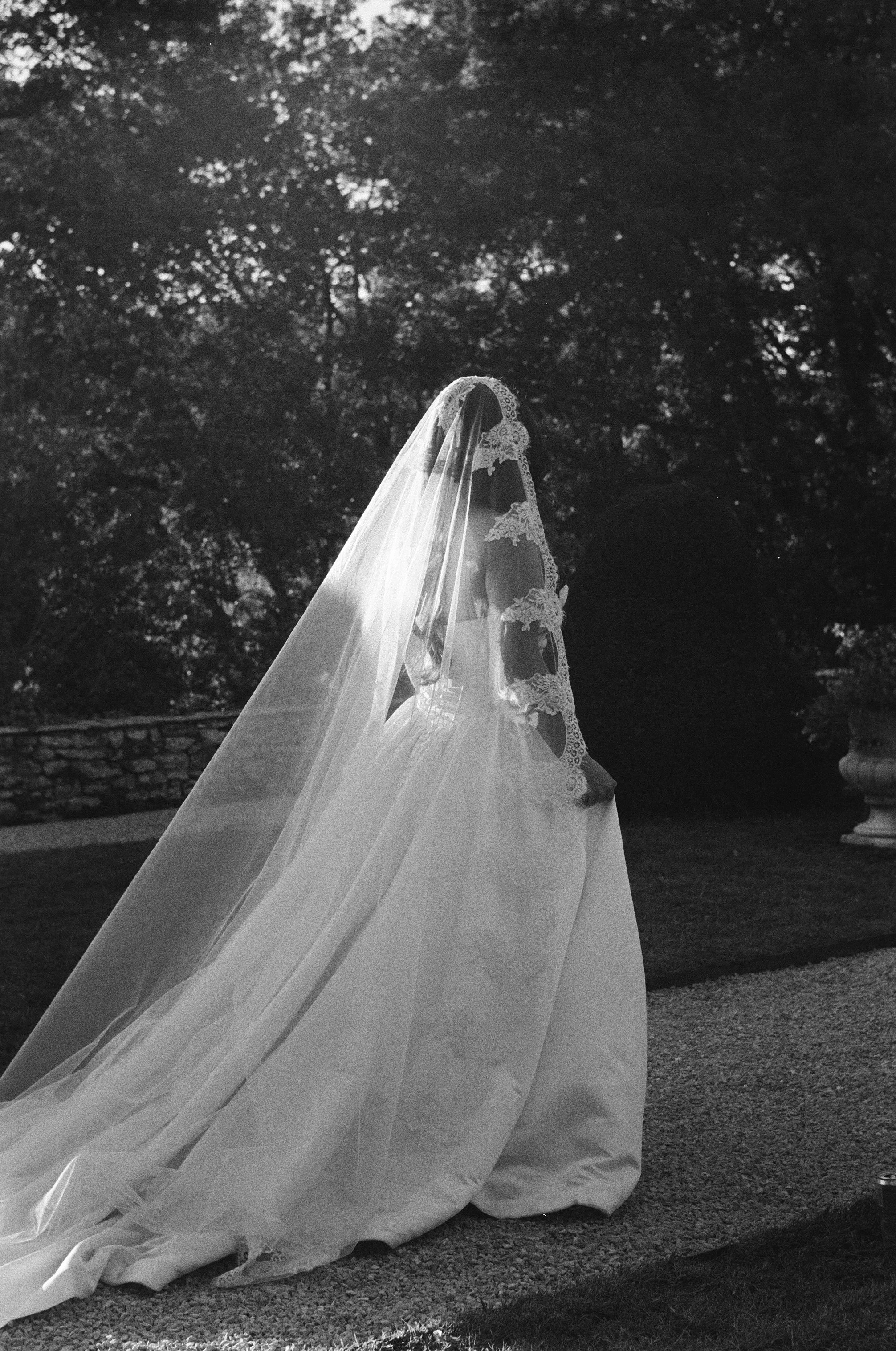
Colour, contrast and grain come from the photographic material itself rather than from editing, and each type of film renders them differently. Choosing the right one for a particular wedding, its light and its setting, is part of how we shape the pictures.
The pace.
A roll holds a limited number of frames, so every exposure is a decision. Instead of shooting continuously, we watch, anticipate and choose our moment. It’s a more deliberate way of working.
The negative.
Each photograph begins as something physical. You receive digital scans, but behind every one is a negative that recorded that exact moment and will still exist decades from now.
The continuity.
Your parents’ and grandparents’ wedding photographs were most likely taken on analog cameras. Yours will belong to the same visual history, rather than to whichever editing style happens to be popular this year.
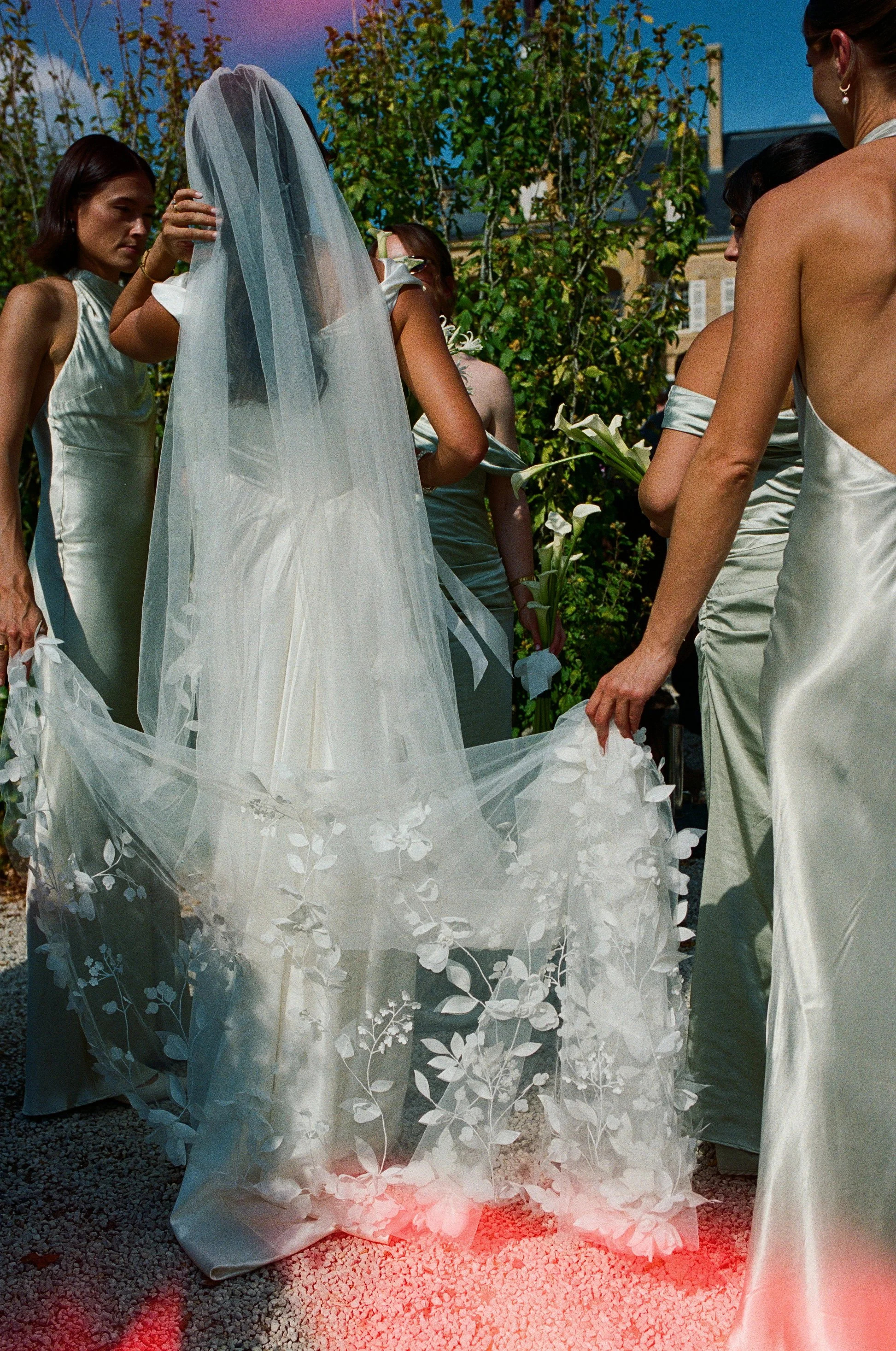
The wait.
Every roll has to be developed before anyone sees it, and even after all these years, a few frames always turn out better than we expected. That part never gets old.
Digital.
Analog has its limits, and we’re realistic about them. In very low light, or when things move too fast, a digital camera is the better choice, and we have one with us.